
Review · BEIJING HUTONG TOURS
Hutong Walking Tour: Discover Real Beijing without Crowds
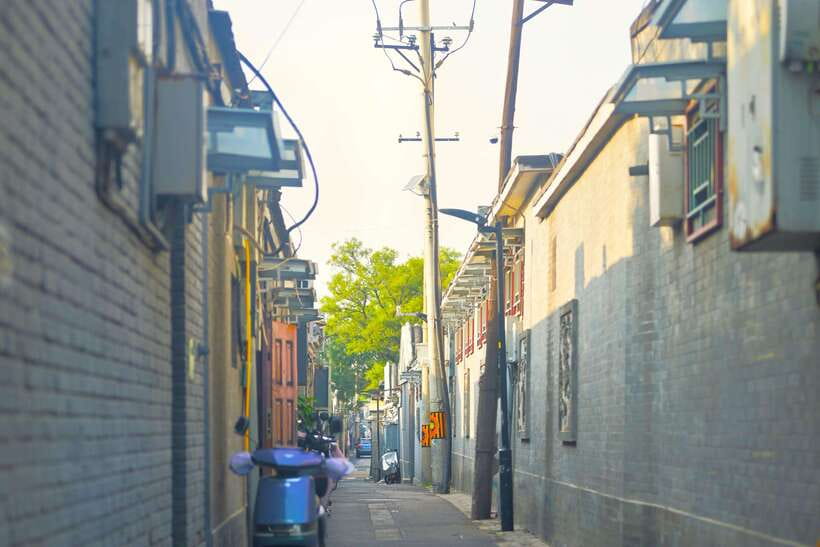
Beijing’s hutongs are not a museum set. People still live in these narrow lanes, and this small-group walk gives you a look at daily neighborhood life alongside temples, a church, and traditional courtyard architecture. I like the mix of local streets and historic sites, and the complimentary traditional drink, which has been served at a rooftop café on some tours.
One thing to know before booking: hutongs make up about half the walk, not all of it. The rest takes in other local sights and buildings, so this suits you best if you want a broader introduction to old Beijing rather than two and a half hours spent only in alleyways.
At a glance
- A walk with several layers: Hutong lanes sit alongside temples, a church, a bookstore, and other historic buildings.
- Small group, about 3 km on foot: No more than eight people join, but expect plenty of walking.
- Architecture made easier to read: Guides explain features of courtyard homes and other traditional buildings.
- A useful first-day choice: The history and design context can help you make sense of Beijing’s larger monuments later.
- A local drink to finish: The included Beijing drink adds a taste of local custom, and the final stop has sometimes been a rooftop café.
- Plan around Monday: The Palace of Ancient Monarchs is closed that day.
A route that links hutongs with the wider city
The walk begins at Xisi Subway Station, Exit D, and finishes at 410 Funei Street. In 2.5 hours, you cover roughly 3 km, so this is a compact introduction rather than a strenuous trek. Still, you will be on your feet most of the time, and comfortable shoes matter.
The route is designed to show more than one version of Beijing. You move between residential hutongs, religious sites, and historic buildings, with a contrast between old neighborhoods and the modern financial center. That variety is a strength if you want context for how the city has changed, though it means the tour is not a continuous walk through traditional lanes.
The group is capped at eight. That small size makes it easier to hear the guide and ask questions, and it can make the walk feel conversational. Some departures may be smaller still. If the group is very small, the experience can become more personal, but the exact group size will depend on who books.
More hutong tours around Beijing:
- Beijing Hutong Walking Food and Beer Tour at Hidden Restaurants
★ 5.0 · 1,132 reviews - Temple Heaven, Summer Palace, Lama Temple, Hutong Bus Tour
★ 4.7 · 319 reviews - Temple of Heaven, Summer Palace, Lama Temple, Hutong Tours
★ 5.0 · 311 reviews
Starting at Xisi Station
Meet at Metro Line 4’s Xisi Station, Exit D. It is a practical starting point for a walking tour, and the guide leads you from the station into the surrounding historic district rather than asking you to find a remote address on your own.
The walk begins with a useful contrast: traditional streets and buildings sit within a city that has grown into a modern financial center. That change is not just a backdrop. Your guide discusses how Beijing’s urban design has shifted, helping you connect the places you pass with the city’s larger story.
Guides on this tour have included Dee, Tracy, and Heidi. Their approach, based on the experience described by participants, is to explain architecture, history, and daily customs in accessible terms and leave room for questions. English and Chinese are offered, but check the language available for your departure when booking.
Guangji Temple and the Church of the Saviour
Guangji Temple is one of the early stops. It gives the walk a religious and cultural dimension, and the guide can explain the role of a temple within the city’s historic fabric. The visit is guided, so you are not left to guess what you are seeing or why the site matters.
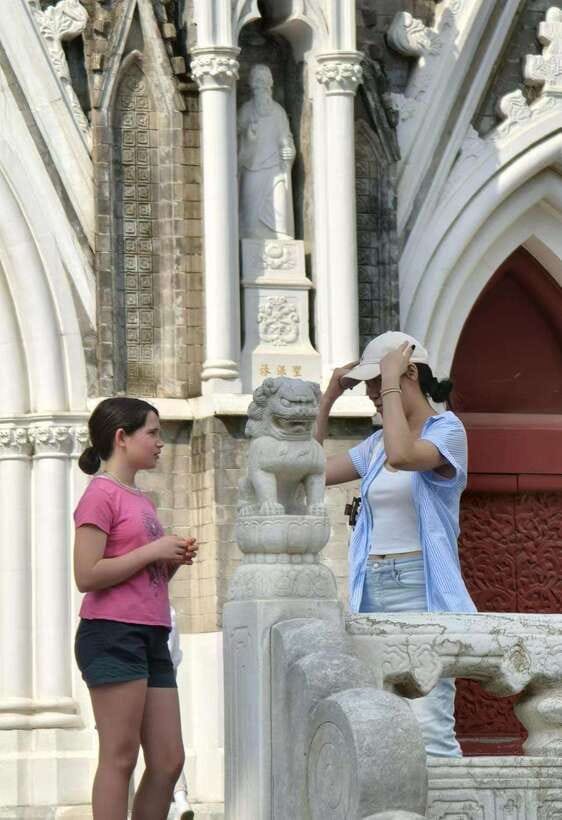
Next comes the Church of the Saviour, also known as Beijing’s Xishiku Church. Its presence beside temples and hutongs is a reminder that the city’s religious life has never been represented by a single tradition. This stop is especially appealing if you like seeing different places of worship within one neighborhood walk.
The two visits help set the tone for the rest of the tour. Rather than treating Beijing’s past as a single imperial story, the route makes space for architecture, belief, and everyday life. The trade-off is that each stop is part of a short walking tour, not a lengthy visit with time for an in-depth look at every interior.
A bookstore, an old lane, and courtyard architecture
At Zhengyang Bookstore, known in Chinese as 正阳书局, you get a change of pace from religious sites. The stop includes time to browse, which makes it a chance to see a local cultural space and perhaps shop. As with any short tour, browsing time may be limited, so treat it as an introduction rather than a long visit.
Then the route heads to Zhuanta Hutong, one of Beijing’s oldest hutongs. This is where the scale of neighborhood life becomes more immediate. The lanes are not grand avenues; they are intimate streets where you can notice how people move between home, local businesses, and shared spaces.
Your guide also introduces traditional forms such as the siheyuan, the courtyard house. These buildings are important to understanding hutong design: the arrangement of homes around a courtyard reflects a different way of organizing domestic space from the apartment blocks that define much of modern city life. The tour explains the historical and cultural significance of these forms, giving you a framework to use as you continue exploring Beijing.
Remember that this is a lived-in neighborhood. Be considerate around homes, keep noise down, and ask before photographing people or private spaces. Respect for residents is not a small etiquette note here; it is part of visiting a place that is still someone’s everyday environment.
More walking tours around Beijing:
- Private Beijing Walking Tour of the Forbidden City with 7 Options
★ 5.0 · 675 reviews - Forbidden City Private Walking Tour with Optional Sights
★ 5.0 · 400 reviews - Beijing Private Hutong Food Walking Tour
★ 5.0 · 299 reviews - Beijing: Hutong Culinary Walking Tour with 15+ Tastings
★ 5.0 · 162 reviews
The Palace of Ancient Monarchs
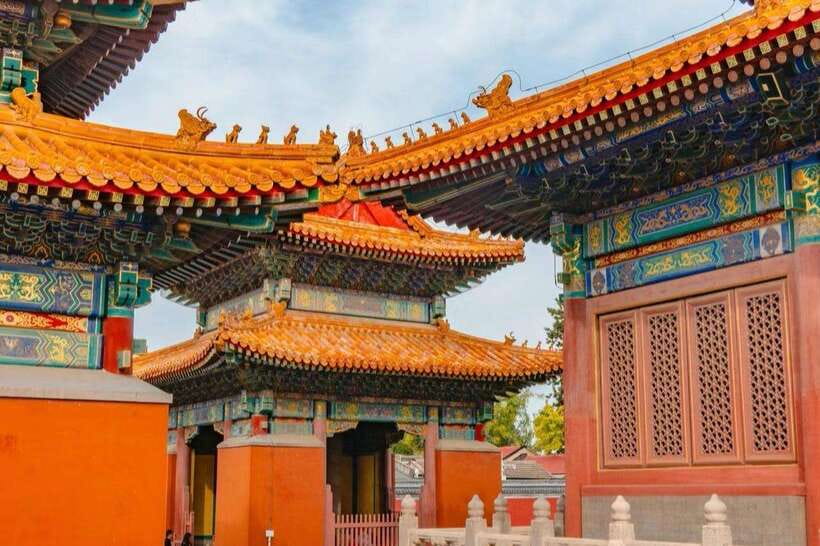
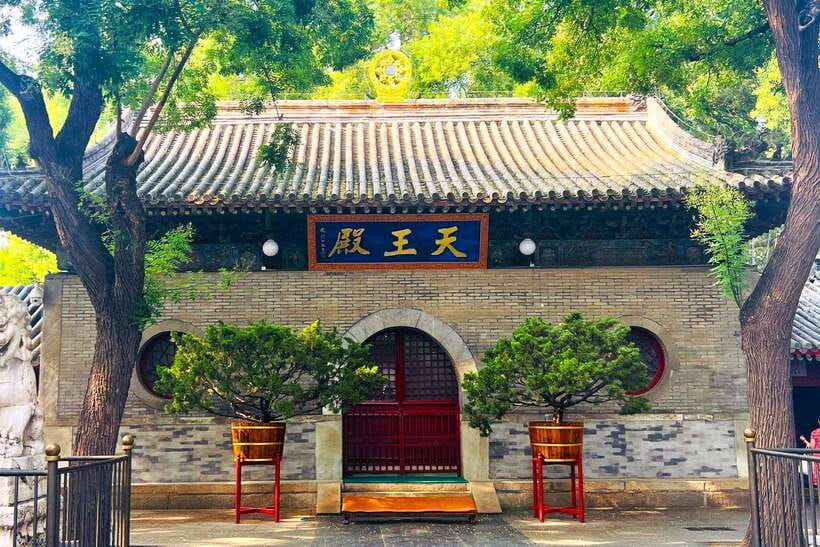
The Palace of Ancient Monarchs, also called the Emperors Temple of Past Dynasties, is another major stop. You have time for a guided visit and photos, and the entrance fee is included in the tour price. It adds a formal historic site to a route that also spends time in working neighborhoods.
The site can help you understand how China has remembered its rulers and dynasties. Your guide can connect the building and its purpose with the wider history of imperial China, while the architectural details offer another chance to compare formal monuments with the more domestic scale of the hutongs.
There is one important scheduling detail: the Palace of Ancient Monarchs is closed on Mondays. If this particular stop matters to you, choose a different day. The tour still includes other sites, but Monday means you should not expect this visit.
A café break and Miaoying Temple
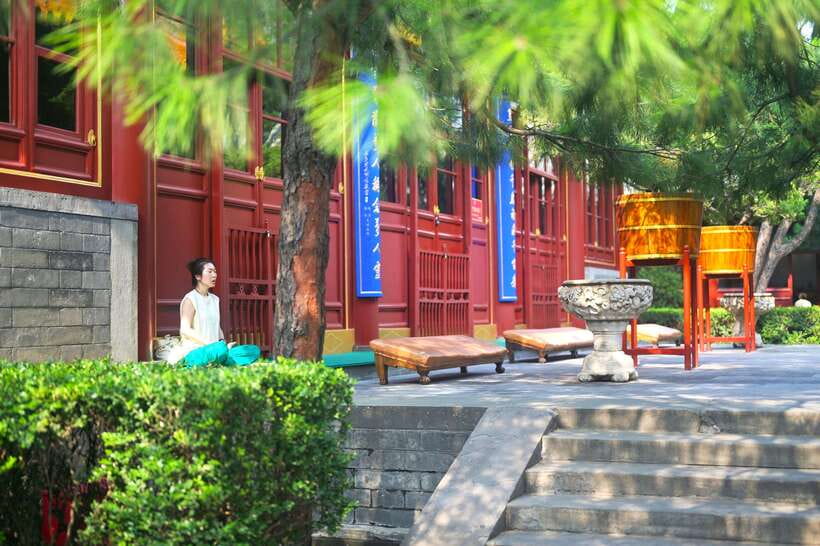
A local café stop provides a pause in the walk. The break is welcome after several sites and gives you a moment to ask follow-up questions or simply sit down. Meals and personal expenses are not included, so plan to pay for anything beyond the complimentary drink specified as part of the tour.
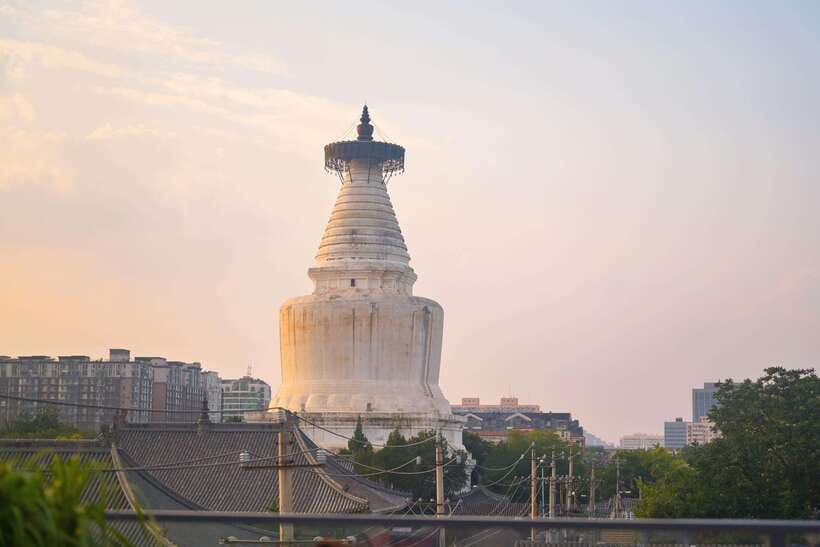
Miaoying Temple is the final listed sight, with time for a visit and photographs. The route also includes stupa architecture among its examples of traditional Chinese buildings. A guide’s explanation is useful here: architectural shapes and symbols can carry meaning that is easy to miss when you are only passing by.
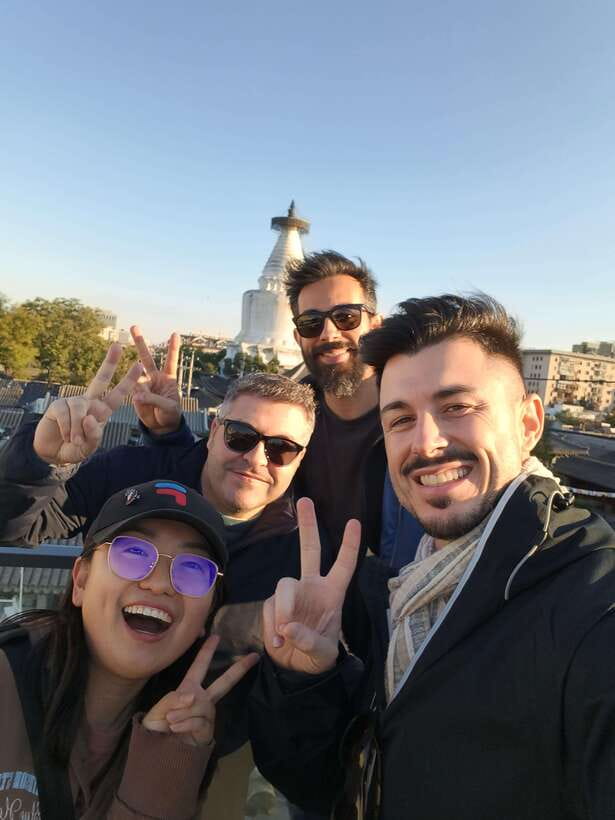
The walk finishes at 410 Funei Street. Some participants have ended with a drink on a rooftop overlooking Old Beijing, including iced tea or a sour plum drink with Chinese herbs. The exact drink and setting may vary, so think of the included traditional Beijing drink as a welcome extra, not a guaranteed rooftop experience.
What the guide adds
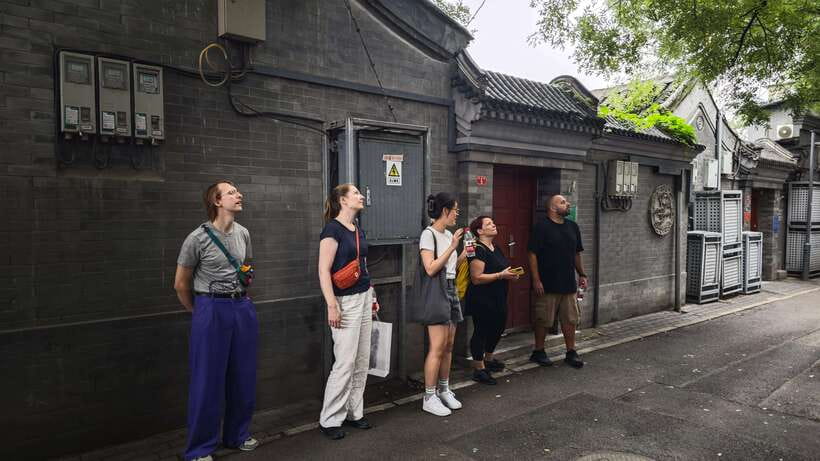
The main value here is not simply getting from one sight to another. A good guide connects a courtyard house, temple, church, and hutong lane to the ways Beijing has changed and the ways local people live now. Guides Dee, Tracy, and Heidi have led departures, and their styles may differ, but guests have consistently valued clear explanations, friendly conversation, and practical recommendations.
The advice can be useful beyond the walk itself. Guides have suggested places to eat and shop and offered tips for getting around the city. Several people have found the tour a strong first-day activity because it gives them context before visiting major sites such as the Forbidden City. You can then look at architecture and symbolism with a more informed eye.
If you are traveling with children, the tour may work well if they are comfortable walking. One family with children found that the guides kept them engaged, but the walk still covers about 3 km and is not designed for people with mobility impairments or wheelchair users.
Is $49 a fair price?
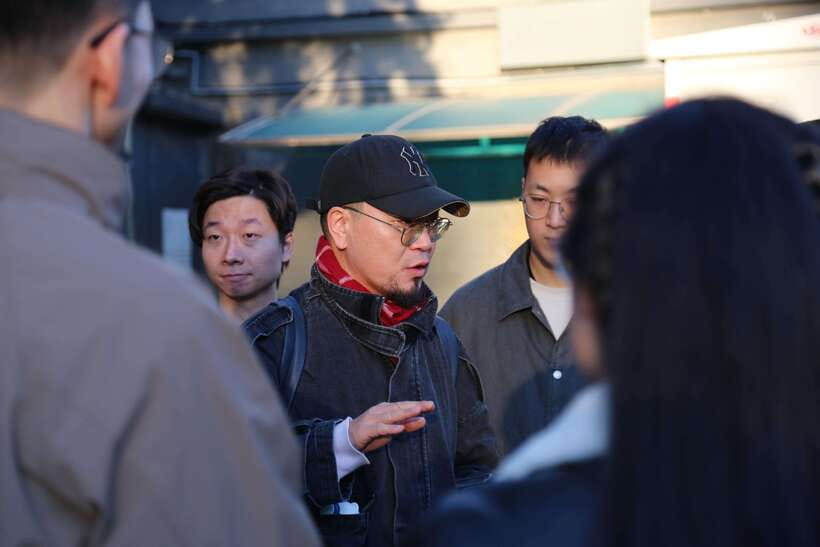
At $49 per person, this costs more than walking the neighborhood independently. The price includes a 2.5-hour guided walk, a small group of no more than eight, entry to the Palace of Ancient Monarchs when it is open, and a traditional Beijing drink. You are paying chiefly for local interpretation and a route that joins several kinds of places, not for transport or a meal.
That value depends on what you want. If you enjoy learning why a building is arranged as it is, or want a local to help you notice how old and new Beijing fit together, the fee is reasonable. If you prefer to wander without a guide, or want to spend the whole outing inside hutongs, you may get less from it.
Transport to the meeting point, food, and personal expenses are extra. Bring water, sunscreen, and a hat on sunny days. The walk can take place in varied weather, and comfortable shoes are essential.
Who should book this walk?
I would choose this tour if you want a well-paced introduction to Beijing’s neighborhood life, architecture, and religious sites, especially early in your stay. It gives you a useful base for exploring on your own afterward, and the guide’s food and travel tips can help you plan the next few days.
It is also a good fit if you like small groups and have questions. The group limit gives you a better chance to talk with the guide than a large bus tour would. You should skip it if you have limited mobility, need a wheelchair-accessible route, or want a tour focused exclusively on hutongs.
Book on a day other than Monday if visiting the Palace of Ancient Monarchs is important to you. Otherwise, go in expecting a varied walk: lanes, temples, a church, a bookstore, and local buildings, with a drink at the end. That mix is the point.
FAQ
How long is the Hutong Walking Tour?
The tour lasts 2.5 hours and covers around 3 km on foot.
Where does the tour meet?
Meet at Xisi Subway Station, Metro Line 4, Exit D.
Where does the tour finish?
The walk finishes at 410 Funei Street.
What languages are available?
The live tour is offered in English and Chinese. Check the language for your chosen departure.
How many people are in the group?
The small group is limited to eight participants.
Is the Palace of Ancient Monarchs open every day?
No. It is closed on Mondays. Its entrance fee is included when the site is open.
Is a drink included?
Yes. A traditional Beijing drink is included. The exact drink and serving location may vary.
Is the tour suitable for wheelchair users?
No. The tour is not suitable for wheelchair users or people with mobility impairments, and it involves a significant amount of walking.
Newest listings in Beijing
- Jinshanling Great Wall Small Group self-hiking tour from Beijing★ 4.5 · 6 reviews
- Small Group Mutianyu Great Wall and Ming Tombs Tour with Cable Car and Lunch★ 5.0 · 28 reviews
- Group Tour Including Mutianyu Great Wall And Buffet Lunch★ 4.5 · 28 reviews
- Mini Group: Half-Day Great Wall at Mutianyu Hiking Tour★ 5.0 · 33 reviews
- Beijing Group Coach Tour to Mutianyu Great Wall Without Lunch★ 4.5 · 6 reviews
- Private Tour: Beijing Hutong Night Walking and snacks Taste★ 4.0 · 29 reviews
- Small Group Tours to the Jingshaling Wall with Options★ 5.0 · 8 reviews
- Tai Chi or Kung Fu plus Chinese Calligraphy Learning Class★ 5.0 · 3 reviews
Beijing Hutong Tours, compared.

Beijing Hutong Walking Food and Beer Tour at Hidden Restaurants
Read our review →
Temple of Heaven, Summer Palace, Lama Temple, Hutong Tours
Read our review →


Beijing City Walk: Explore Hutongs Life and Old Beijing
Read our review →
Browse the lists this tour appears in