
Review · BEIJING HUTONG TOURS
Beijing: Hutongs & Food & Culture Walking Tour
Beijing’s hutongs are best understood at walking pace: gray-roofed courtyard homes, red doors, and narrow lanes reveal a side of the city that grand monuments can’t. I like the chance to see old residential streets alongside everyday food culture, including jianbing, tanghulu, and the famously tangy mung bean drink douzhi.
I also like that the outing may include different ways to get closer to local life, from a tea ceremony or craft demonstration to a rickshaw ride and home visit, depending on the option you choose. The main caution is important: the experience details also describe a three-hour guided visit to the Capital Museum. Check the exact option and meeting point before booking, because a museum tour is not the same day out as a hutong food walk.
What to know before you choose
- Hutong lanes show residential Beijing: Nanluoguxiang and Shichahai are named as areas on the route, with courtyard homes, shops, cafes, and lakeside scenery.
- The food is local, but not included: Jianbing, tanghulu, and douzhi with youtiao are examples of foods you may encounter. Food and drinks are extra.
- Cultural activities are possibilities, not guarantees: Tea, paper cutting, calligraphy, and Peking Opera are mentioned as things you might encounter.
- The museum details need checking: A separate itinerary description names the Beijing Capital Museum and a three-hour guided visit.
- You can choose a guide language: English, Chinese, French, and Dutch are listed, and private groups are available.
- Plan for identification and advance booking: Passport information is needed for museum ticket booking, with earlier planning advised during Chinese holidays.
Hutong lanes, courtyards, and daily life
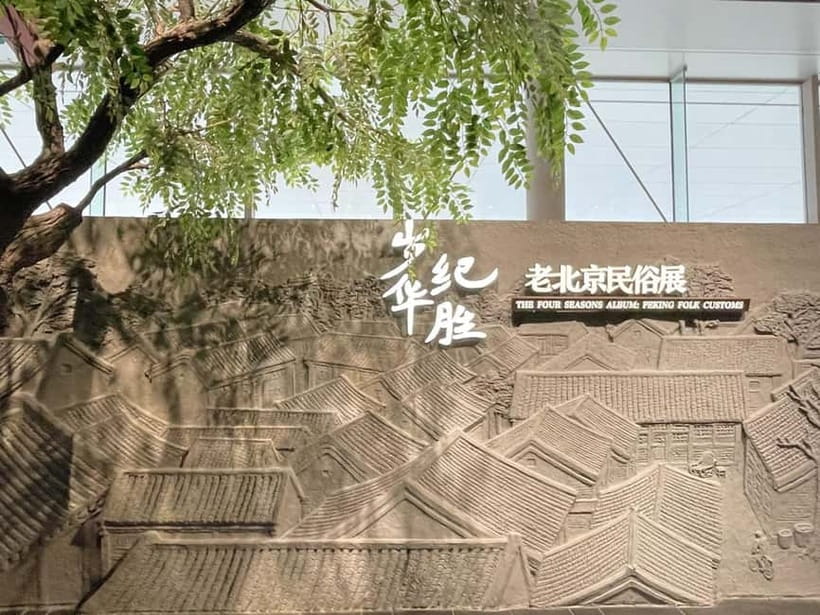
A hutong walk offers a useful change of scale. Beijing’s big sights can make the city feel like a sequence of grand gates and wide avenues; in the hutongs, the focus shifts to lanes, courtyard entrances, and the texture of neighborhood life. You pass traditional siheyuan, courtyard residences with gray tiled roofs and red wooden doors, some described with brass knockers and vines along their walls.
These homes are more than picturesque backdrops. The courtyard layout reflects a way of living organized around family and shared space. Even a short walk through the lanes can help you see how a neighborhood differs from a landmark designed for ceremony or state power.
The route names Nanluoguxiang and Shichahai. Nanluoguxiang combines traditional homes with boutiques and cafes, so expect a mix of old architecture and newer businesses rather than a preserved street frozen in time. That blend can be interesting, though it may be less appealing if you want only quiet residential lanes.
Shichahai offers a different mood, with lakeside views and willow trees. The area is associated with locals flying kites and relaxing by the water. If the route includes time there, it can be a welcome pause from the narrower streets. The exact sequence and time spent at each place are not specified, so don’t assume the tour gives you a long lakeside break.
More hutong tours around Beijing:
- Beijing Hutong Walking Food and Beer Tour at Hidden Restaurants
★ 5.0 · 1,132 reviews - Temple Heaven, Summer Palace, Lama Temple, Hutong Bus Tour
★ 4.7 · 319 reviews - Temple of Heaven, Summer Palace, Lama Temple, Hutong Tours
★ 5.0 · 311 reviews
Street food: appealing, but budget separately
Food is one of the most concrete pleasures described for the hutong experience, but it is not part of the stated price. The tour information says food and beverages are excluded, so bring money for anything you want to taste. The low advertised starting price is not the full cost of an outing if you plan to sample several dishes.
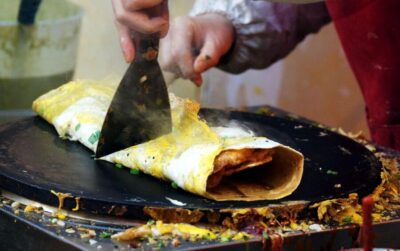
Jianbing guozi is the most familiar suggestion for many visitors: a crisp-edged crepe with egg, scallions, savory sauce, and a crunchy wonton wrapper. It is described as a breakfast staple, which makes it a good way to connect a snack with ordinary daily routines, not just restaurant dining.
Tanghulu offers a sweeter contrast. These candied hawthorns on a stick are described as sweet and tangy, a simple street treat that is easy to recognize and share. Douzhi is more challenging. This fermented mung bean soup has a distinct tangy flavor and is often paired with fried dough sticks called youtiao and preserved vegetables. If you like trying foods that are part of local habits rather than designed for a visitor’s palate, it may be worth a taste. If not, you can stick with the other options.
The key point is that these foods are examples, not a guaranteed tasting menu. The experience description says to follow local stalls and family-run eateries, but it does not promise a set number of stops, portions, or dishes. Ask what your selected option includes before you set your expectations.
Tea, crafts, and other cultural encounters
A traditional teahouse visit is one possible way to slow the pace. The description mentions a tea master demonstrating a ceremony and sharing stories about tea, with jasmine or oolong as examples. This could add a more focused cultural stop to a walk through the lanes, but it is not clear that every booking includes it.
Paper cutting and calligraphy are also mentioned as possible encounters with local artisans. Paper cutting is described through patterns associated with good luck and prosperity; calligraphy offers a chance to see brush and ink used to form Chinese characters. These are appealing details to look for, but the wording makes them possibilities rather than fixed stops.
You might also hear or encounter Peking Opera from a nearby venue. Treat this as a chance occurrence, not a scheduled performance. The distinction matters: the hutong experience sounds like a walking route with potential cultural encounters, not a guaranteed sequence of demonstrations and shows.
The Capital Museum question
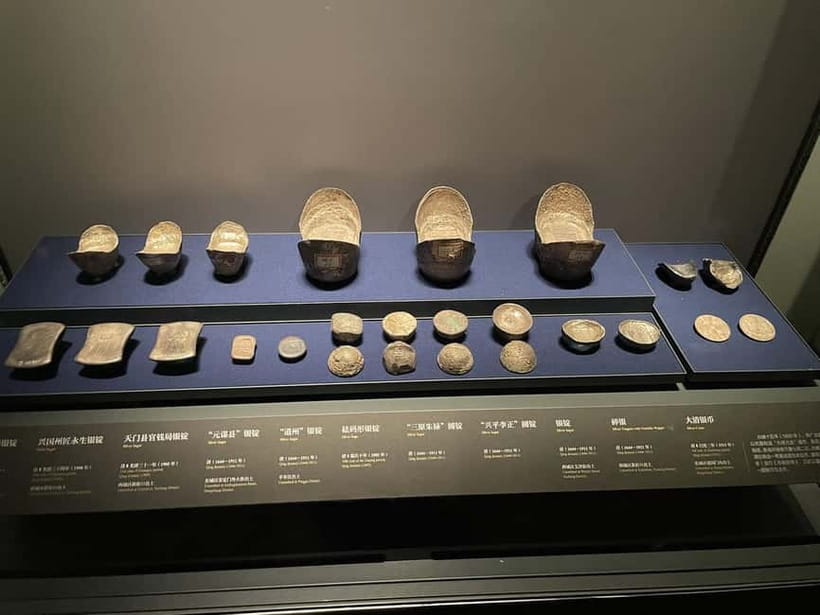
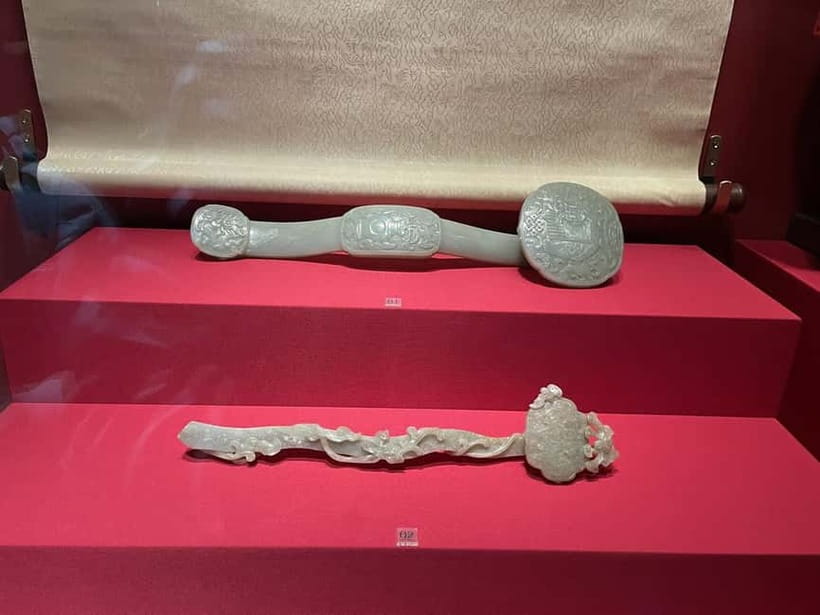
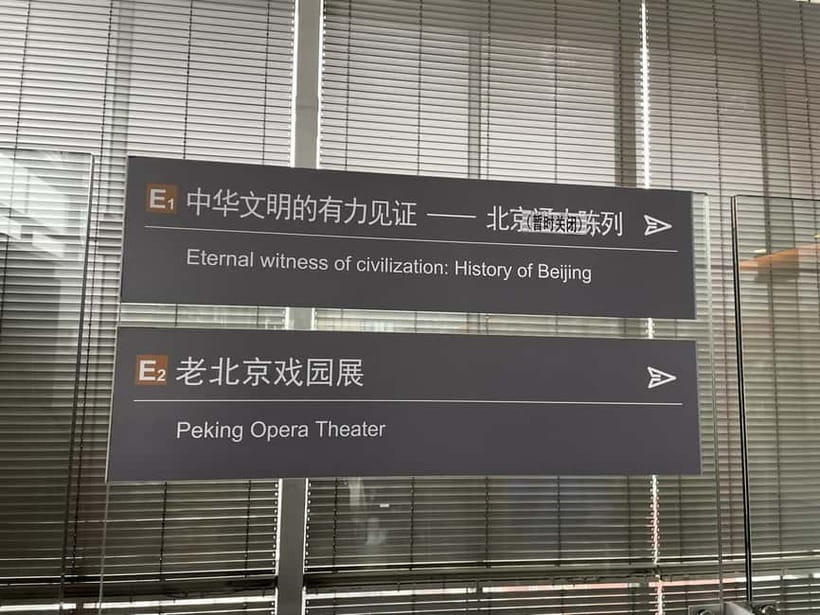
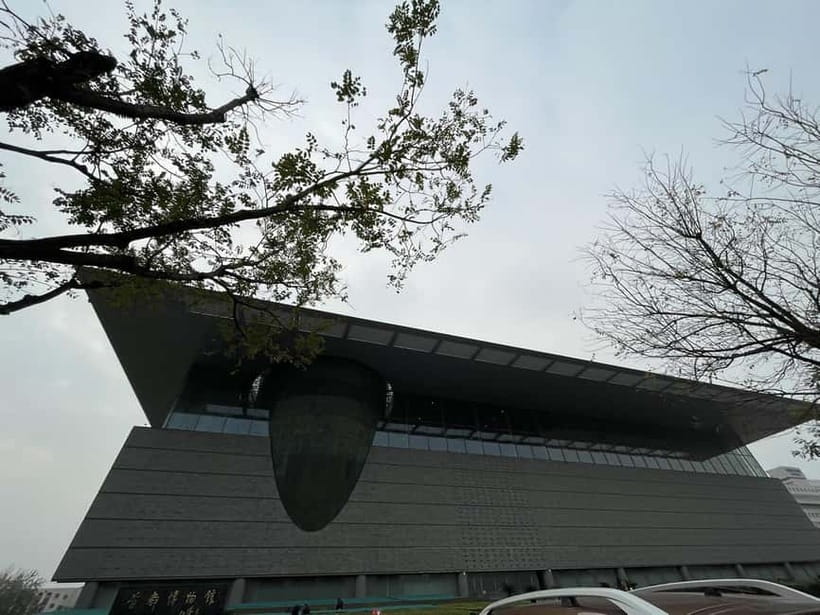
There is a real mismatch between the hutong-focused description and the more specific itinerary details. The outing is presented as a hutong, food, and culture walk, but the itinerary also names the Beijing Capital Museum and describes a three-hour guided tour there. Three starting locations are given: 鼓楼, the Chinese name for the Drum Tower area, the Capital Museum, and Shichahai.
Those details could point to different options, but they do not explain exactly how they fit together. A hutong walk and a museum visit are different experiences, and a three-hour museum tour could take up most of the short end of a 3 to 6-hour duration. Before booking, confirm whether your selected option is a hutong walk, a museum visit, or a combination, and ask which stop is included in the price.
The museum itself is described by one customer as large and interactive, and another note praises the agency’s service. Those are encouraging signs, but the overall rating is 3.8 from only six ratings, so there is not much evidence to judge consistency. The feedback is also brief, and some is about ticket-only entry rather than a guided hutong walk. I would not use it to assume that every option delivers the same experience.
More food tours around Beijing:
- Beijing: Hidden Gems Guided Food Tour with Beer and Tastings
★ 4.9 · 306 reviews - Beijing Private Hutong Food Walking Tour
★ 5.0 · 299 reviews - Beijing: Hutong Culinary Walking Tour with 15+ Tastings
★ 5.0 · 162 reviews - Beijing Hutong Breakfast Food Tour
★ 5.0 · 155 reviews
Duration, meeting points, and practical planning
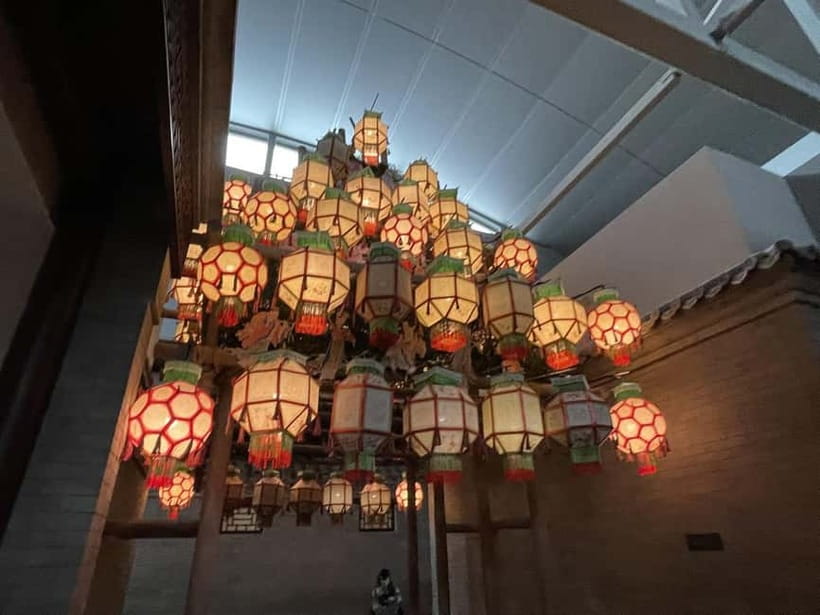
The stated duration ranges from three to six hours. That is a meaningful difference: a three-hour outing may feel like a focused neighborhood walk or museum visit, while a six-hour version leaves more room for extra stops. The exact schedule depends on the option and starting time, so check availability and details for your date.
Meeting points vary by booking. The named choices are Drum Tower, the Capital Museum, and Shichahai. Make sure the location on your confirmation matches the option you intend to take. This is especially important given the split between hutong and museum information.
Guides are listed in English, Chinese, French, and Dutch. Private groups are available, which may suit you if you want a more personal pace or have specific questions, though no group size or private-group price is provided. The tour is listed as wheelchair accessible, and the museum is also described as wheelchair accessible.
For the museum option, admission must be booked online in advance, and passport information is requested for ticket booking. During Chinese holidays, the advice is to book seven days ahead to secure a ticket. Bring your passport or ID card. The rules also prohibit flash photography and tripods, though ordinary photography is allowed.
Large bags and luggage are not allowed, and the listed restrictions include pets except assistance dogs, indoor smoking, bikes, alcohol and drugs, littering, making noise, and making fires. These are worth noting if you are planning to combine the outing with a station transfer or carrying bulky gear.
Is $2.86 good value?
At $2.86 per person, the advertised price looks unusually low for a guided outing lasting three to six hours. It may be a starting price tied to a particular option, not a complete cost for every version. Since food and beverages are excluded, and a rickshaw ride and home visit are included only if selected, compare the exact option contents before treating the price as a full package.
The best value would come from a clear, well-matched option: a guide-led walk through the hutongs if you want neighborhood life, or a museum visit if that is your priority. The price alone cannot tell you which one you are buying. Factor in food purchases and any optional extras, then judge the total against the time and experience offered.
Free cancellation up to 24 hours ahead and reserve-now, pay-later booking give you some flexibility. Those terms help if your plans might change, but they don’t replace the need to confirm the route and meeting point.
Who should book this outing?
Choose a hutong option if you want to see residential Beijing on foot and are curious about local street food, courtyards, and neighborhood culture. It suits visitors who enjoy an unhurried walk and are comfortable paying separately for anything they eat or drink.
The museum option may work better if you want a structured, indoor visit and are prepared to provide passport details in advance. If you have limited time, don’t book until you know whether the museum and hutong elements are combined or sold separately.
I would book only after confirming the selected option, exact starting point, and included activities. The ingredients are appealing, especially the hutong lanes and food, but the published details leave too much uncertainty about what a particular booking covers. Once that is clear, you can decide whether the walk, the museum, or a mix of both fits your Beijing plans.
FAQ
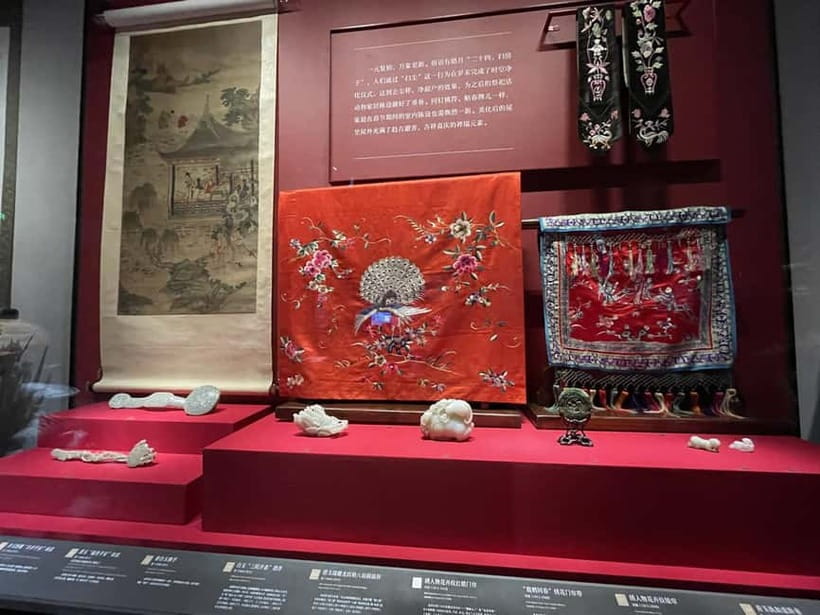
How long is the experience?
The stated duration is 3 to 6 hours. Check the available starting times and the duration for the option you select.
Where can the tour start?
The named starting locations are Drum Tower, the Capital Museum, and Shichahai. The meeting point varies by booking.
Which languages are available?
Guides are listed in English, Chinese, French, and Dutch.
Is food included?
No. Food and beverages are listed as not included, so budget separately for any snacks or drinks.
What foods might I encounter?
Examples include jianbing guozi, tanghulu, and douzhi served with youtiao and preserved vegetables. These are examples, not a guaranteed tasting menu.
Is a rickshaw ride included?
A rickshaw ride and home visit are included only if you select the option that offers them.
Do I need to provide my passport information?
For museum ticket booking, passport information is requested. You should send it as soon as possible after booking.
How early should I book during Chinese holidays?
The advice is to book seven days ahead during Chinese holidays to help ensure a museum ticket.
Can I cancel for a refund?
You can cancel up to 24 hours in advance for a full refund.
More walking tours around Beijing
- Private Beijing Walking Tour of the Forbidden City with 7 Options
★ 5.0 · 675 reviews - Forbidden City Private Walking Tour with Optional Sights
★ 5.0 · 400 reviews - Beijing City Walk: Explore Hutongs Life and Old Beijing
★ 5.0 · 146 reviews - Beijing: Highlights of Forbidden City Private Walking Tour
★ 5.0 · 104 reviews
Newest listings in Beijing
- Jinshanling Great Wall Small Group self-hiking tour from Beijing★ 4.5 · 6 reviews
- Small Group Mutianyu Great Wall and Ming Tombs Tour with Cable Car and Lunch★ 5.0 · 28 reviews
- Group Tour Including Mutianyu Great Wall And Buffet Lunch★ 4.5 · 28 reviews
- Mini Group: Half-Day Great Wall at Mutianyu Hiking Tour★ 5.0 · 33 reviews
- Beijing Group Coach Tour to Mutianyu Great Wall Without Lunch★ 4.5 · 6 reviews
- Private Tour: Beijing Hutong Night Walking and snacks Taste★ 4.0 · 29 reviews
- Small Group Tours to the Jingshaling Wall with Options★ 5.0 · 8 reviews
- Tai Chi or Kung Fu plus Chinese Calligraphy Learning Class★ 5.0 · 3 reviews
Beijing Hutong Tours, compared.
Beijing Hutong Walking Food and Beer Tour at Hidden Restaurants
Read our review →
Temple of Heaven, Summer Palace, Lama Temple, Hutong Tours
Read our review →

Beijing City Walk: Explore Hutongs Life and Old Beijing
Read our review →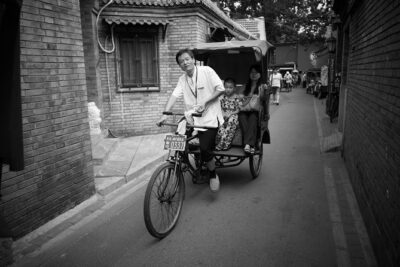
Browse the lists this tour appears in