
Review · JINSHANLING GREAT WALL TOURS
Beijing: 2-day Small Group Great Wall Hiking Gubeikou&Jinshanling
The appeal here is time, not speed. Over two days, you walk stretches of the Great Wall around Jinshanling and Gubeikou, then sleep in a village guesthouse instead of racing back to Beijing after a quick photo stop.
I like two things in particular: the chance to see the Wall before the day’s crowds build, and the contrast between Jinshanling’s restored sections and Gubeikou’s rougher, quieter stretches. Dinner and breakfast at a local guesthouse add a welcome human scale to a big monument.
The trade-off is effort. This is a moderate-to-strenuous hike, with several hours on the Wall each day, steep steps, and no toilets along the trail. The guide’s English is limited, too, and the main role is leading the route rather than giving a full history lecture.
Key points to know before booking
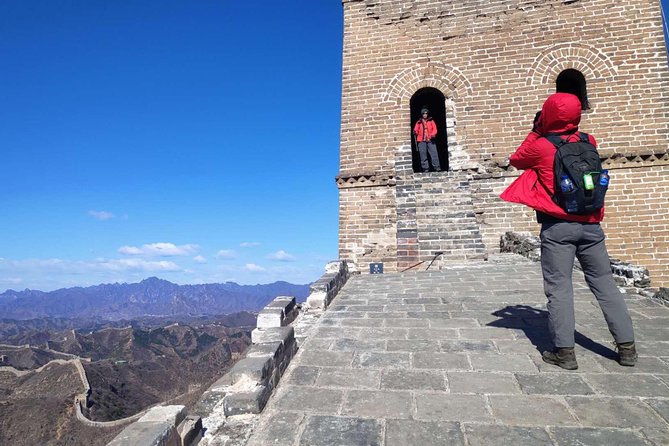
- Day one climbs to Jinshanling’s East-Five-Eye watchtower: Allow about 40 minutes for the approach up steps before the Wall walk.
- Day two starts at Gubeikou’s Panlongshan section: The route heads toward Jinshanling through a less-visited, more original stretch.
- You sleep near the Wall: The overnight stay is in a twin-shared room at a local farmer’s guesthouse.
- Meals and transport are included: The package covers a Beijing pickup, air-conditioned vehicle, one dinner, one breakfast, and two lunches.
- The guide leads more than lectures: The local farmer guide has limited English and is mainly there to guide the way, though guides such as Cheney and Yaxin have also shared history and local knowledge.
- Pack for a real hike: Bring sturdy shoes, sun protection, a small daypack, snacks, and toilet paper. The Wall has no toilets along the walking route.
Two days make the Wall feel less like a day trip
The Great Wall is vast, and a short visit can make it feel like a single photo stop with a long bus ride attached. This two-day trip gives you time to walk more than one section, notice how the Wall changes, and stay close enough to begin early.
The group is capped at 10 people, a useful size for a hike where the pace and terrain matter. You are not part of a large convoy moving from one viewpoint to the next. The vehicle carries your main luggage to the accommodation, while you keep a daypack with water, snacks, and anything else needed on the trail.
The tour begins in Beijing at 8:00 am and returns to the same meeting point after the second day. You get an air-conditioned vehicle and an experienced driver, which saves you the work of arranging transport between the city and these Wall sections. The trip is priced at $268 per person. That is a substantial outlay, but it covers transport, entrance fees, accommodation, a guide, and four meals. If you want two days of hiking without organizing the separate pieces yourself, the price has practical value.
The tour is often booked about 35 days ahead on average. That is a useful signal to plan early if you have fixed dates, though the group limit of 10 also keeps the outing from becoming a large operation.
More Jinshanling trips around Beijing:
- From Beijing: Small Group Hike at Jinshanling Great Wall
★ 4.9 · 667 reviews - Beijing: Full-Day Small-Group Great Wall Hiking at Jinshanling
★ 5.0 · 347 reviews - Small Group 6km hiking Jinshanling Great Wall EN speaking driver
★ 5.0 · 347 reviews
Day one: climb to Jinshanling and walk the Wall
The first day focuses on Jinshanling, with the approach to the Wall taking about 40 minutes on steps. The climb is a proper warm-up, not a stroll from a roadside drop-off. Take it steadily, especially if you are still adjusting to Beijing’s altitude, heat, or travel fatigue.
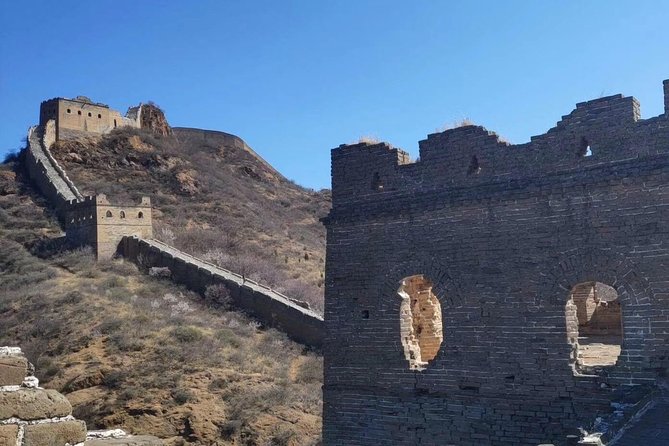
The route reaches the East-Five-Eye watchtower at the Simatai West and Jinshanling East area. From there, the Wall gives you the long views and varied masonry that make this section especially rewarding. Look for guard towers, decorative details, and changes in brickwork as you walk. The structures were built for defense, but they also show how the Wall was adapted to ridges and terrain rather than laid out as a simple, straight barrier.
The itinerary allows about three hours at Jinshanling. That gives you time to walk at a measured pace and stop for photos, though the actual feel of the day will depend on the group’s speed and conditions. Expect stairways and uneven footing, not a smooth promenade. Rest when you need to, and keep water close rather than buried in your pack.
The Wall at Jinshanling is described as a mix of restored and less-restored sections. That variety is part of the appeal: some stretches look carefully rebuilt, while others feel older and rougher. You should not expect every part of the route to be easy underfoot. Good walking shoes or boots are essential, and trekking poles are available in the vehicle if you ask the guide.
After the hike, you head to a local guesthouse near the Great Wall. A home-cooked dinner and the overnight stay are included. The accommodation is twin-shared, so plan on sharing a room rather than having a private room to yourself. The evening is also a chance to slow down after several hours of walking, away from the city’s pace.
Day two: Gubeikou’s quieter, rougher Wall
After breakfast, the second day begins at 8:30 am at Coiling Dragon Hill, also known as Panlongshan, in the Gubeikou area. The route heads toward Jinshanling and takes about five hours. This is the longer day, so start with a proper breakfast and carry the water and snacks you will want while walking.
Gubeikou is presented as a wilder, less-visited section. The Wall here is less polished than the best-known restored stretches, and that changes the experience. You get a better sense of the old structure’s irregular shape and the work of following ridges and hills. In places, the path can be rougher and the walking more demanding than on a fully restored section. That is a plus if you want a hike rather than a quick, tidy viewpoint, but it is not ideal if you have mobility limits or dislike uneven ground.
The early start is important. The tour is designed to reach the Wall before many other people arrive, giving you a quieter stretch of trail and more room to take in the towers and stonework. The local guide leads the way, but the description of the role is clear: the guide is mainly there for route-finding, with limited English. Some guides, including Cheney and Yaxin, have shared information about the Wall and Chinese history, but you should not count on a long, detailed lecture.
There is a small route detail worth checking before you book. The first day is described around Jinshanling and Simatai West, while the second begins at Gubeikou and heads toward Jinshanling. Ask the operator to confirm the exact walking endpoints and vehicle transfers for your dates, particularly if knowing the day-by-day route matters to you. That is a sensible question for a point-to-point hike, not a reason to dismiss the trip.
What the guide and group size mean in practice
A guide who leads the way can make a remote hike simpler, especially when the route crosses rougher Wall sections. You can concentrate on your footing and the scenery rather than trying to manage every turn yourself. The small group limit also makes it easier to keep the pace comfortable and communicate when someone needs a break.
Set your expectations for commentary. The local farmer guide has limited English and is described as focusing mainly on leading the route rather than providing history commentary. If you want a specialist lecture on the Wall’s construction, military design, and dynasties, this may not be the right format. If you value a local guide, a clear route, and time on the Wall, the arrangement makes more sense.
There is room for a guide to share useful context. Cheney and Yaxin have been praised for explaining the Wall and Chinese history, and one account even mentions learning a few Chinese phrases. But guide assignment and the depth of commentary are not guaranteed by the tour details. Treat any historical talk as a possible bonus, not the central promise.
With no more than 10 people, the group is small enough to feel manageable but still means you will be walking with others. You may need to adjust your pace to the group, especially on the steps. If you are concerned about fitness, ask the operator how the group handles differing speeds before committing.
More wall hikes around Beijing:
- Beijing: Jingshanling Great Wall Trekking Tours with Options
★ 4.9 · 411 reviews - Mini Group: Beijing Forbidden City Tour with Great Wall Hiking at Mutianyu
★ 5.0 · 344 reviews - Private Trekking Day Tour to Jinshanling Great Wall
★ 5.0 · 127 reviews - Water-Great Wall Odyssey: Hike & Cruise One Day Tour
★ 5.0 · 94 reviews
Guesthouse meals and what is covered
The overnight stay is one of the trip’s more distinctive features. Rather than returning to Beijing between hikes, you sleep in a village guesthouse near the Wall. The room is twin-shared, and dinner and breakfast are included. The two lunches are also covered, making four meals in all.
A home-cooked dinner and breakfast give the trip a more local rhythm than a day tour built around transport and ticket scans. They are also practical: after a long walk, you do not need to find a restaurant or organize another transfer. The accommodation is a local guesthouse, not a luxury hotel, so book this for convenience and a village stay, not for resort comforts.
The included price also covers admission, bottled water during the hikes, an air-conditioned vehicle, and an experienced driver. Trekking poles are carried in the vehicle; ask the guide if you need one. Personal expenses and travel insurance are not included. Insurance is strongly encouraged, particularly because a twisted ankle or other injury on a remote trail can complicate the day.
How hard is the hike, and what should you carry?
The tour calls for moderate fitness, but the two walking days are not casual sightseeing. Day one includes the uphill approach and around three hours at Jinshanling. Day two involves about five hours at Gubeikou. The terrain includes steep steps and rougher stretches, and the route notes and past hiking accounts make clear that the experience can be tiring as well as exhilarating.
You do not need to be a competitive hiker, but you should be comfortable walking for several hours and managing uneven ground. If you have knee, balance, or mobility concerns, check with the operator before booking. The tour details do not provide a specific age limit or accessibility provision, so do not assume the route can be adapted.
Wear comfortable walking shoes or boots with a secure grip. Bring a cap, sunscreen, sunglasses, lip balm, and a small first-aid kit. Your luggage goes by vehicle to the guesthouse, but your daypack stays with you. Pack water, snacks, and any personal items you may need during the hike. The operator recommends bringing some snacks from Beijing.
There are toilets at the entrances to Gubeikou and Jinshanling, but none along the Wall. Use the facilities before setting out, and carry toilet paper. Bottled water is stored in the vehicle for hiking each day, but you should still have a way to carry what you need.
A current valid passport is required on the day of travel. That is easy to overlook when you are focused on boots and sunscreen, so put it with your day-trip essentials the night before.
The value of a quieter Great Wall visit
At $268, this costs more than arranging a simple excursion to a heavily visited section on your own. The extra cost buys two days of guided walking, transfers from Beijing, entrance fees, meals, and an overnight stay. It also saves you from coordinating transport between separate Wall areas and finding accommodation nearby.
The biggest value is time on the Wall. You get one morning start designed to beat the crowds, plus a second day in a less-visited section. The contrast between Jinshanling’s restored portions and Gubeikou’s rougher stretches makes the two days feel different rather than repetitive.
The main compromise is that the package is simple rather than polished. The guide’s English is limited, the room is shared, the hike is physically demanding, and the route descriptions could use clarification. If comfort, private accommodation, or extensive historical interpretation comes first, look for a different format. If you want a practical way to spend two full days walking the Wall, the inclusions make the price easier to justify.
Who should book this Great Wall hike?
This trip suits fit visitors who want more than a brief stop at the Wall and are happy to trade hotel comforts for time in a village near the route. It is particularly appealing if you want a small group, a local guide to lead the way, and both restored and less-restored sections.
It is less suitable if you want a gentle outing, need a private room, or expect a guide to deliver a detailed history talk in fluent English. The absence of toilets on the route and the need to carry your own daypack are also worth considering before you commit.
The cancellation terms are flexible up to 24 hours before the start, with a full refund if you cancel by then. Poor weather can lead to a different date or a full refund. Check the exact route with the operator before booking, then make your decision based on the walking, not just the headline promise of the Great Wall.
FAQ
How long is the tour?
The tour lasts two days, with about three hours at Jinshanling on the first day and about five hours at Gubeikou on the second.
What time does the tour start?
The Beijing meeting time is 8:00 am. The second day’s hike begins after breakfast at 8:30 am.
How many people can join?
The maximum group size is 10 people.
What is included in the price?
The price includes an air-conditioned vehicle and experienced driver, entrance fees, a local guide, one night in a twin-shared guesthouse room, bottled water while hiking, two lunches, one dinner, and one breakfast.
Is the accommodation private?
No. The included accommodation is one night in a twin-shared room at a local guesthouse near the Great Wall.
Does the guide give a detailed history talk?
The local farmer guide has limited English and mainly leads the route rather than giving history commentary. Guides may share information about the Wall and Chinese history, but a detailed lecture is not guaranteed.
How fit do I need to be?
You should have a moderate level of fitness and be comfortable walking for several hours on steep steps and uneven ground.
Are there toilets along the Wall?
No. Toilets are available at the Gubeikou and Jinshanling entrances, but not along the walking route. Bring toilet paper and use the facilities before hiking.
What should I bring?
Bring comfortable shoes or boots, a daypack, sunscreen, sunglasses, a cap, lip balm, a first-aid kit, and snacks. Your main belongings travel by vehicle to the accommodation.
Do I need to bring my passport?
Yes. A current valid passport is required on the day of travel.
More two-day trips around Beijing
- Beijing 2-Day Tours: Great Wall, Forbidden City & Top Highlights
★ 5.0 · 688 reviews - Beijing: Top 6 Highlights All Inclusive 2-Day Private Tour
★ 5.0 · 472 reviews - Beijing Private Tour: 2 Days Forbidden City and Mutianyu Great Wall VIP Tour
★ 5.0 · 418 reviews - Mini Group: 2-Day Beijing Highlights and Great Wall Tour
★ 5.0 · 242 reviews
More Great Wall trips around Beijing
- From Beijing: Mutianyu Great Wall Tours with Options
★ 4.9 · 9,216 reviews - All-Inclusive Tour: Tiananmen Square, Forbidden City, Great Wall
★ 5.0 · 2,873 reviews - MuBus: Mutianyu Great Wall ENG/ESP/RUS Guided Bus Tour
★ 5.0 · 2,361 reviews - Beijing Full Day Tours: Tiananmen Sq, Forbidden City, Great Wall
★ 5.0 · 1,634 reviews
Newest listings in Beijing
- Jinshanling Great Wall Small Group self-hiking tour from Beijing★ 4.5 · 6 reviews
- Small Group Mutianyu Great Wall and Ming Tombs Tour with Cable Car and Lunch★ 5.0 · 28 reviews
- Group Tour Including Mutianyu Great Wall And Buffet Lunch★ 4.5 · 28 reviews
- Mini Group: Half-Day Great Wall at Mutianyu Hiking Tour★ 5.0 · 33 reviews
- Beijing Group Coach Tour to Mutianyu Great Wall Without Lunch★ 4.5 · 6 reviews
- Private Tour: Beijing Hutong Night Walking and snacks Taste★ 4.0 · 29 reviews
- Small Group Tours to the Jingshaling Wall with Options★ 5.0 · 8 reviews
- Tai Chi or Kung Fu plus Chinese Calligraphy Learning Class★ 5.0 · 3 reviews
Jinshanling Great Wall Tours, compared.
Small Group 6km hiking Jinshanling Great Wall EN speaking driver
Read our review →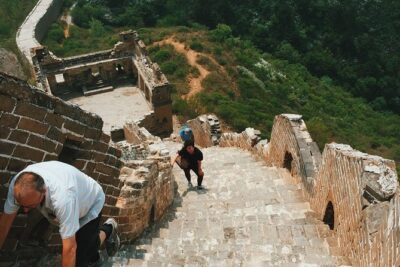
Full-Day Small-Group Great Wall Hiking at Jinshanling
Read our review →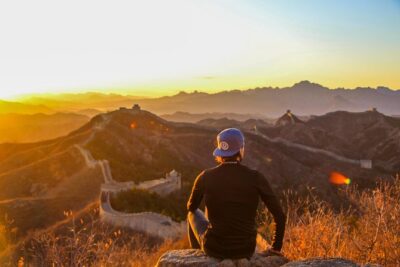
Great Wall at Gubeikou and Jinshanling Private Sunset Tour
Read our review →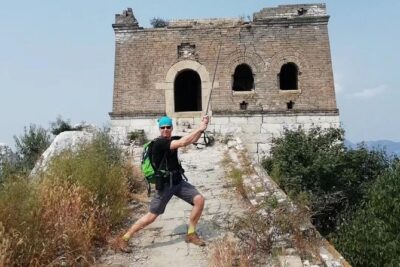
Private Trekking Day Tour to Jinshanling Great Wall
Read our review →
Beijing Private Transfer to Jinshanling or Simatai Great Wall
Read our review →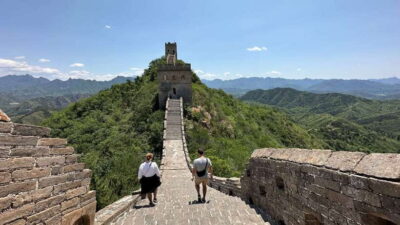
Jinshanling Great Wall Private Tour with Options
Read our review →
Jinshanling Private Tour with Night View of Simatai and Gubei Water Town from Beijing
Read our review →Browse the lists this tour appears in