Review · BEIJING TOURS
Beijing: Imperial Cuisine Experience & Cultural Performance
Beijing’s Yuxiandu Imperial Cuisine Museum pairs a history lesson with a banquet: first, you get a look at centuries of court food and dining objects, then a meal inspired by dishes once served to emperors. The evening also includes a cultural performance, with traditional dress, music and dance.
I like two things in particular: the museum puts food in its historical setting, and the menu ranges from familiar roast duck to less everyday dishes such as braised sea cucumber with fish maw. The show adds color and movement to what could otherwise be a long dinner.
The main consideration is price: at $137 per person, this is a costly meal, and one person who booked through an online platform felt the ticket was expensive compared with other ways of buying. Check current prices before you commit, and treat the food and performance as a combined experience rather than paying for dinner alone.
What makes this Beijing dinner different
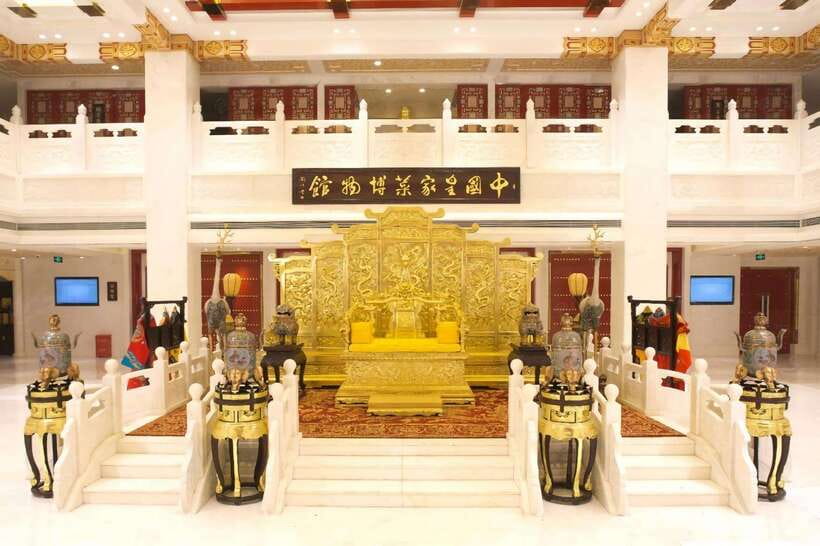
- A museum before the meal: More than a thousand historical objects, including dining utensils and documents, tell the story of imperial cuisine.
- Five millennia of food history: The displays trace court cooking from ancient times through the Qing Dynasty.
- A banquet-style menu: Expect several courses, including roast duck with jujube wood, roasted lamb, longevity noodles and sweet treats.
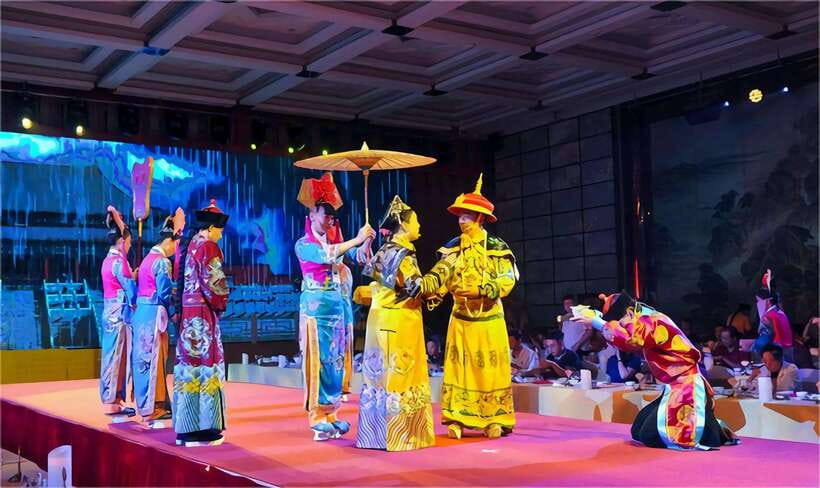
- A traditional performance: The show is part of the ticket and features historical costumes, music and dance.
- A fixed start time: Lunch check-in is at 11:38 a.m., with the performance at 12:10 p.m. Dinner check-in is at 6:28 p.m., with the show at 6:50 p.m.
- A longer outing: Set aside three to four hours, and arrive a few minutes before check-in so you can get seated in time.
A museum devoted to food and power
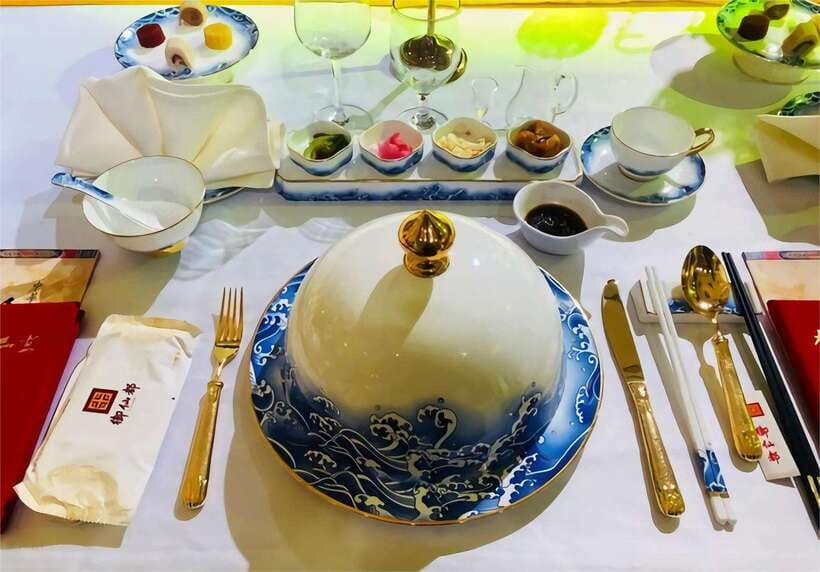
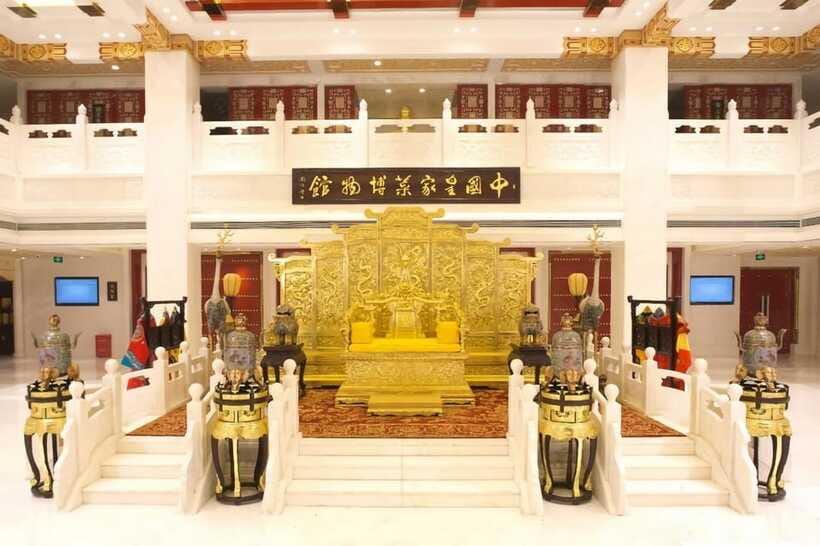
Yuxiandu is in Beijing’s Haidian District, near Sijiqing Bridge. Its subject is not simply what people ate, but how food worked as a sign of status, skill and authority in the imperial court. The museum follows the development of royal cuisine across roughly five thousand years, with a particular focus on the dishes and cooks associated with different periods.
That context makes the visit more interesting than a themed dinner alone. A meal can be enjoyable without explanation, but knowing that court food carried cultural meaning gives the dishes another layer. The museum’s collection includes more than a thousand objects, among them fine dining utensils and historical documents. Those pieces help connect the cooking to the rituals and setting around it.
The exhibits also introduce famous royal dishes and chefs from Chinese history. That is useful for anyone who wants to understand how imperial food changed over time, though the available details do not specify exactly how long you spend in the galleries or whether a guide leads the visit. Think of the museum portion as an introduction to the meal, not a promise of a full-day historical tour.
The attraction holds a national AAA-level tourism rating, a designation associated with standards for visitor facilities and service. It offers some reassurance about the setting, but it does not tell you how extensive the exhibits are or how much time you will spend with each display. If you are mainly interested in food history, the artifacts and timeline are likely to be the most meaningful part.
More Beijing tours to consider
- From Beijing: Mutianyu Great Wall Tours with Options
★ 4.9 · 9,216 reviews - Beijing: Forbidden City Tour(Group/Private)-Tickets Included
★ 4.8 · 7,974 reviews - Beijing: T-Square & Forbidden City Group or Private Tour
★ 4.8 · 4,446 reviews
The palace-style dining room
After the museum, the experience shifts from looking at the past to sitting down to a meal designed to evoke it. The restaurant’s interior takes cues from an ancient palace, so the room helps establish the mood before the first course arrives. It is a theatrical setting rather than a plain restaurant meal, which is part of the appeal and part of what you are paying for.
The dining experience is described as a recreation of sumptuous food once enjoyed by royalty. That does not mean you should expect a precise reconstruction of a particular emperor’s menu: no specific emperor, historical banquet or recipe source is identified. It is more accurate to approach it as a modern presentation of imperial cuisine and its traditions.
For me, the most useful way to judge this setting is to ask whether you want atmosphere with your dinner. If you would rather focus only on food quality and price, a regular restaurant may suit you better. If you enjoy a meal that gives you a sense of place and history, the palace-style room adds something that a menu alone cannot.
What arrives at the table
The menu moves through snacks and appetizers before its more substantial dishes. It includes an appetizer platter, braised sea cucumber with fish maw in a casserole, marinated tofu with bamboo shoots, roast duck with jujube wood, Chinese cabbage in soup and roasted lamb. Longevity noodles with poached eggs follow, with deep-fried dough sticks, known as youtiao, served with milk, and yoghurt with honey among the sweet or finishing items.
That range is a major part of the experience. Roast duck will be the easiest point of reference for many diners, while sea cucumber and fish maw may be unfamiliar. Tofu and bamboo shoots offer a more everyday flavor profile, and the soup, noodles and dough sticks bring different textures and styles to the table. You get a broader introduction to Chinese dishes than you would from a single main course.
The menu also suggests a banquet format, with dishes that are meant to be experienced as a sequence rather than chosen à la carte. The information provided does not specify portion sizes, substitutions, dietary accommodations or whether every course is served individually. If you have dietary restrictions, confirm what can be accommodated before booking instead of assuming the set menu can be changed.
The sweet yoghurt with honey and the youtiao with milk are worth noting because they take the meal beyond the more familiar restaurant staples. The longevity noodles and poached eggs also carry a celebratory feel in their name and presentation. These touches help make the meal feel like an occasion, even if you are not deeply versed in Chinese court food.
The performance is part of the meal
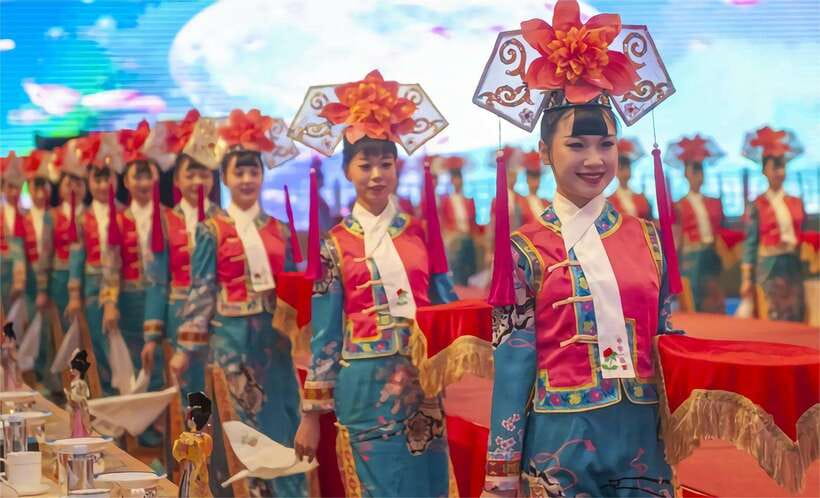
The cultural show is included, and it is one of the strongest reasons to consider this experience. It presents historical clothing, music and dance, with color and stage movement alongside the food. The performance gives the evening a clear focal point, so you are not simply eating through a long menu in an ornate room.
The timing is firm. At lunch, ticket checking begins at 11:38 a.m. and the performance starts at 12:10 p.m. For dinner, check-in is at 6:28 p.m. and the show begins at 6:50 p.m. Arrive a few minutes early, as advised, to allow time for any queue and to be seated before the meal and performance get underway.
The schedule matters because this is not a casual drop-in dinner where you can arrive whenever you like. A late arrival could mean missing part of a coordinated event. Give yourself enough time to reach the Haidian District venue, especially if you are travelling across Beijing, and confirm the correct lunch or dinner time on your ticket.
The exact running order of courses and performance is not specified, so do not assume the show happens only after dinner or that you can leave whenever you finish eating. Set aside the full three to four hours and plan the rest of your day around it. That length is a fair commitment for a meal with a museum visit and stage performance, but it may feel long if you only want a quick taste of imperial dishes.
Something else for your time here:
- All-Inclusive Tour: Tiananmen Square, Forbidden City, Great Wall
★ 5.0 · 2,873 reviews - MuBus: Mutianyu Great Wall ENG/ESP/RUS Guided Bus Tour
★ 5.0 · 2,361 reviews - 4-Hour Small Group Tour to Forbidden City with Entry Tickets
★ 5.0 · 1,863 reviews - Beijing: Tiananmen Square Registration Service(Ticket)
★ 4.5 · 1,704 reviews
Is $137 worth it?
At $137 per person, this is not a budget meal. You are paying for several parts together: access to the museum, a multi-course dinner or lunch, the palace-style surroundings and a cultural performance. The price makes more sense if you value the full event and intend to take in the historical and theatrical elements, not just compare the food with a standard Beijing restaurant bill.
The food alone is difficult to assess from the menu because portion sizes, ingredients and preparation details are not provided. The set menu does include a wide spread of dishes, from roast duck and lamb to sea cucumber, noodles and sweets. That variety may be appealing if you want to sample several styles in one sitting, but the listed price may still feel high if you are chiefly interested in trying a few Beijing specialties.
One online booking customer considered the platform price expensive and suggested checking whether another purchase option might cost less. That is a sensible comparison to make, but prices can change and no alternative rate is confirmed here. Check the current direct price and the platform price before paying, and compare like with like: make sure the meal and performance are included in both.
There is a practical safety net: cancellation is free up to 24 hours in advance, and a reserve-now, pay-later option is available. Those terms can help if your Beijing plans are still shifting. The ticket QR code generated by the booking platform is not the actual admission ticket; the real ticket is sent by email. Check your inbox for it rather than relying on the order QR code.
Who will enjoy this experience most
This outing suits you if you like history with your meal and want an evening that feels more like an event than a restaurant reservation. It is a good fit for visitors curious about Chinese food traditions, people who enjoy live cultural performances, and anyone looking for a structured activity lasting several hours.
It may be less suitable if you are watching your food budget, want a short meal, or prefer choosing each dish yourself. The set menu and fixed show times leave less room for improvisation than a regular restaurant visit. Children under two are not considered suitable for the activity, so families with very young children should make other plans.
The experience is wheelchair accessible, which is useful when planning a visit. Still, the available information does not describe specific routes inside the museum or dining room, so contact the provider if you need details beyond the general accessibility designation.
The listed experience is provided by PidanTravelAgency. No guide names are given, and no language options for the performance or museum presentation are specified. If spoken explanations are important to you, ask what language support is available before booking.
Should you book Yuxiandu?
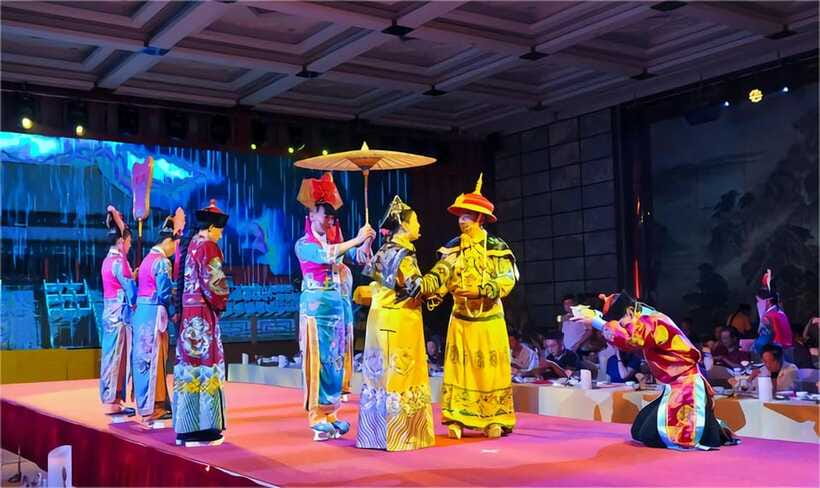
Book it if you want a combined food, history and performance outing and are comfortable paying a premium for the whole package. The strongest reasons are the museum’s collection of more than a thousand artifacts, the wide-ranging banquet menu and the traditional show with costumes, music and dance.
Skip it if your main goal is an inexpensive meal or a flexible dining schedule. Before paying, compare the current price through different purchase channels, check your dietary needs against the fixed menu, and save the actual ticket sent by email. Arrive before the stated check-in time, and give yourself the full three to four hours. With those points sorted, you can enjoy the experience for what it is: a staged introduction to imperial food culture, not just dinner.
FAQ
How long does the experience take?
Plan for three to four hours.
Where is the museum?
The Yuxiandu Imperial Cuisine Museum is in Beijing’s Haidian District, near Sijiqing Bridge.
What time should I arrive?
Lunch ticket checking is at 11:38 a.m., with the performance at 12:10 p.m. Dinner ticket checking is at 6:28 p.m., with the show at 6:50 p.m. Arriving a few minutes before check-in is recommended.
What food is included?
The menu includes an appetizer platter, sea cucumber with fish maw, tofu with bamboo shoots, roast duck, Chinese cabbage soup, roasted lamb, longevity noodles with poached eggs, youtiao with milk and yoghurt with honey.
Is the performance included?
Yes. The meal and performance are included.
Is the experience wheelchair accessible?
Yes, the activity is listed as wheelchair accessible.
Are children under two allowed?
The activity is not suitable for children under two.
Newest listings in Beijing
- Jinshanling Great Wall Small Group self-hiking tour from Beijing★ 4.5 · 6 reviews
- Small Group Mutianyu Great Wall and Ming Tombs Tour with Cable Car and Lunch★ 5.0 · 28 reviews
- Group Tour Including Mutianyu Great Wall And Buffet Lunch★ 4.5 · 28 reviews
- Mini Group: Half-Day Great Wall at Mutianyu Hiking Tour★ 5.0 · 33 reviews
- Beijing Group Coach Tour to Mutianyu Great Wall Without Lunch★ 4.5 · 6 reviews
- Private Tour: Beijing Hutong Night Walking and snacks Taste★ 4.0 · 29 reviews
- Small Group Tours to the Jingshaling Wall with Options★ 5.0 · 8 reviews
- Tai Chi or Kung Fu plus Chinese Calligraphy Learning Class★ 5.0 · 3 reviews
Beijing Tours, compared.


Forbidden City Tour(Group/Private)-Tickets Included
Read our review →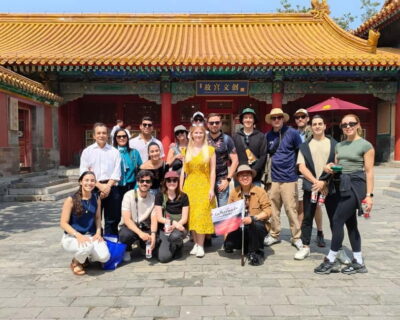
T-Square & Forbidden City Group or Private Tour
Read our review →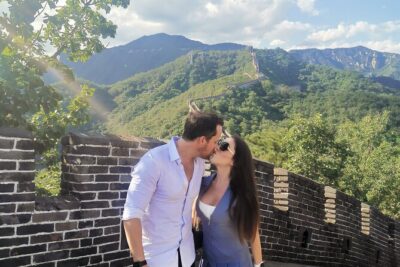
All-Inclusive Tour: Tiananmen Square, Forbidden City, Great Wall
Read our review →
MuBus: Mutianyu Great Wall ENG/ESP/RUS Guided Bus Tour
Read our review →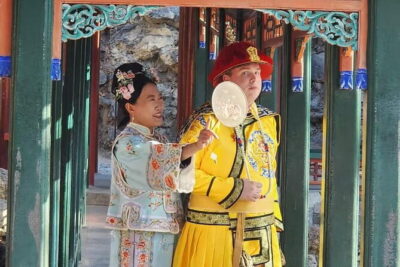
4-Hour Small Group Tour to Forbidden City with Entry Tickets
Read our review →